


Learning the local customs for tipping in restaurants abroad is crucial. Avoid missteps with this essential guide to Trinkgeld Restaurant Ausland.
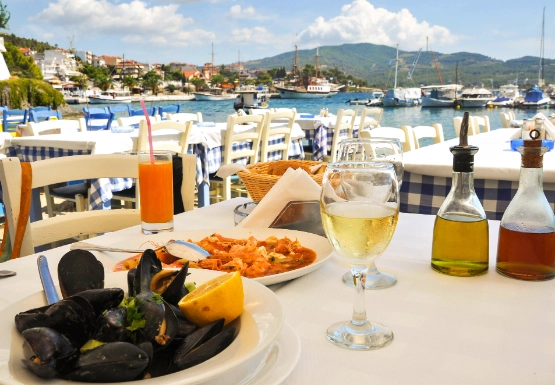
Understanding the local nuances of tipping, or Trinkgeld Restaurant Ausland, can significantly impact your dining experience abroad. What feels natural in one country might be confusing or even offensive in another. My extensive travels have taught me that applying a blanket tipping rule, like the higher percentages common in the US, is a recipe for awkward situations. Instead, travelers should prepare by researching country-specific etiquette to show respect for local customs and ensure smooth transactions.
Overview:
- Tipping practices vary significantly worldwide; avoid applying US norms universally.
- Research local customs before traveling to understand appropriate gratuity for Trinkgeld Restaurant Ausland.
- Service charges may already be included in the bill, making additional tipping optional or unnecessary.
- Cash is often preferred for tips, especially for smaller amounts, even if you pay the main bill by card.
- A small, rounded-up amount or a modest percentage (5-10%) is common in many European countries.
- In some cultures, tipping is not expected or can even be considered an insult.
- Always check your bill for service charges, often listed as “servizio incluso” or similar.
- Offer tips discreetly, and always be polite and appreciative of good service.
Understanding Cultural Nuances in **Trinkgeld Restaurant Ausland**
The concept of tipping varies dramatically across continents, driven by historical factors, labor laws, and cultural values. In many European countries, for instance, restaurant staff typically earn a living wage, meaning tips are seen as an extra gesture of appreciation, not a primary component of their income. This contrasts sharply with the US model, where server wages are often low, making tips essential for their livelihood. When considering **Trinkgeld Restaurant Ausland**, remember that a 15-20% tip, customary in North America, could be overly generous or even misinterpreted elsewhere.
In some parts of Asia, especially Japan, tipping is not part of the culture at all and can be seen as rude, implying that the service provided wasn’t good enough. The expectation is that excellent service is inherent to the job. Similarly, in Australia and New Zealand, while tipping for exceptional service is accepted, it’s generally not mandatory or expected. It’s a discretionary reward for going above and beyond. These stark differences highlight why a little research before you travel can save you from potential missteps. Knowing when and how much to tip reflects well on you as a respectful visitor.
Practical Tips for Foreign Restaurant Gratuity
When dining outside your home country, especially if you’re accustomed to a specific tipping culture, adjust your mindset. Start by observing locals. How do they handle the payment? Do they leave a small amount of change, or nothing at all? These observations offer valuable clues. It’s also wise to carry smaller denominations of local currency for tipping. While many establishments accept card payments for the main bill, leaving a cash tip ensures it goes directly to the server and avoids potential processing fees or unclear distribution policies.
If you are unsure, a discreet question to a hotel concierge or a trusted local can provide clarity. Many online travel forums also offer up-to-date advice on regional tipping customs. For instance, in places like France or Italy, rounding up the bill to the nearest euro or leaving a few euros for good service is often sufficient. Don’t feel pressured to leave a large sum if local practice doesn’t warrant it. The goal is to be respectful and appropriate, not necessarily to be the biggest spender.
Calculating and Delivering Your **Trinkgeld Restaurant Ausland** Appropriately
The process of calculating and delivering your tip needs consideration. First, always check your bill for any pre-added service charges. In many countries, particularly in Europe, a service charge (often 10-15%) is already included in the price or itemized as “servizio incluso,” “service compris,” or “coperto.” If a service charge is present, additional tipping for **Trinkgeld Restaurant Ausland** becomes entirely optional. You might leave a small extra amount (e.g., rounding up or a few coins) if the service was outstanding, but it’s not expected.
When a service charge isn’t included, a common practice in many European countries is to leave a small tip, typically 5-10% of the bill, or simply round up to a convenient amount. For example, if your meal is 47 euros, leaving 50 euros is a perfectly acceptable gesture. Always place the tip discreetly, either on the table when you leave or directly in the hand of your server, perhaps with a polite “grazie” or “merci.” Avoid making a grand show of leaving a large amount; subtlety is often preferred. This approach applies to various scenarios of Trinkgeld Restaurant Ausland.
When Service Charges are Included for **Trinkgeld Restaurant Ausland**
It’s a common misconception that service charges always equate to a tip. While they cover the cost of service, the distribution to staff can vary. Still, when a service charge is explicitly listed on your bill for **Trinkgeld Restaurant Ausland**, it generally means you are not expected to add an additional gratuity. For example, in France, a 15% service charge is usually included in menu prices by law. In such cases, leaving a few extra euros for exceptional service is a nice gesture, but certainly not obligatory.
Understanding this distinction prevents over-tipping and ensures you are adhering to local norms. In some cultures, if you leave a substantial tip when a service charge is included, it might even be seen as a sign that you didn’t understand the billing, or worse, that you found fault with the service. Always examine the itemized bill carefully before deciding on any extra gratuity. This due diligence ensures your generosity is both appreciated and appropriate according to local customs.