

Meta Description: Learn essential life-saving skills with a first aid course. This article, based on real experience, covers what to expect, benefits, and how to choose the right first aid course for you.
Key Takeaways:
- First aid courses equip you with crucial skills to respond to emergencies.
- Hands-on practice is vital for building confidence in a first aid course.
- Choosing an accredited provider for your first aid course ensures quality training.
- Regular refreshers are important to maintain your first aid course knowledge.
- A first aid course can significantly improve safety in your home and workplace.
I remember my first first aid course vividly. It wasn’t just a day in a classroom; it was an immersive experience that fundamentally shifted my perspective on emergencies. Before that course, I was like many people – vaguely aware of what to do in a crisis but lacking the practical skills and confidence to act decisively. The thought of someone choking or suffering a severe cut would fill me with dread, not knowing how I could genuinely help. That all changed after completing my first aid course.
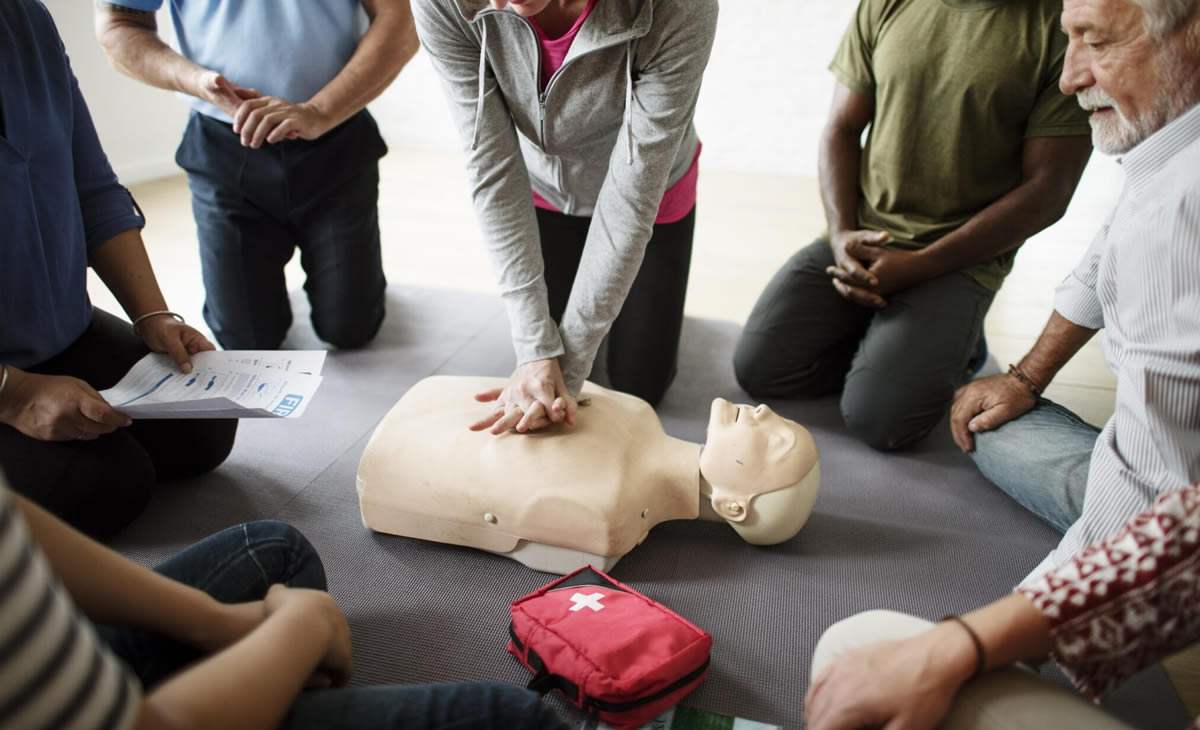
The instructor, a seasoned paramedic, didn’t just rattle off facts. He shared real-life scenarios, explained the ‘why’ behind each technique, and patiently guided us through practical exercises. We practiced CPR on mannequins until our arms ached, bandaged mock wounds with precision, and learned to manage various injuries, from sprains to severe burns. It wasn’t about memorizing a checklist; it was about understanding the principles of first aid and developing the muscle memory to apply them under pressure. This hands-on approach is, in my opinion, the most valuable aspect of any first aid course. It’s one thing to read about how to stop bleeding, but an entirely different and far more impactful experience to actually apply a tourniquet or direct pressure on a simulated injury. That moment of practical application is where the learning truly sticks and where confidence begins to build.
Why Every Individual Should Attend a First Aid Course
Attending a first aid course isn’t just a good idea; it’s a responsibility we owe to ourselves and those around us. Accidents don’t send out invitations. They happen unexpectedly, in homes, workplaces, public spaces, and even during leisure activities. Imagine being present when a loved one collapses, a child chokes, or a colleague suffers a sudden injury. Without the knowledge gained from a first aid course, panic can easily set in, leading to delays that could have serious consequences.
A first aid course empowers you to be the calm, capable individual in a crisis. You learn to assess the situation quickly, prioritize actions, and provide immediate care that can stabilize a victim until professional medical help arrives. This initial response, often referred to as the “golden hour,” can be critical in preventing further injury, reducing pain, and even saving a life. Beyond the dramatic scenarios, a first aid course also covers common, everyday incidents like cuts, scrapes, minor burns, and allergic reactions, equipping you to handle them effectively and prevent them from escalating. It’s about proactive preparedness, turning potential helplessness into actionable assistance. This peace of mind, knowing you can offer aid when it matters most, is an invaluable return on investment for the time spent on a first aid course.
What to Expect During Your First Aid Course
A typical first aid course balances theoretical knowledge with extensive practical application. You’ll usually start with an introduction to the principles of first aid, including the importance of safety, calling for emergency services, and conducting a scene assessment. The curriculum often covers a wide range of topics, including:
- Cardiopulmonary Resuscitation (CPR) and Automated External Defibrillator (AED) use: This is often a core component, with significant time dedicated to proper chest compressions and rescue breaths for adults, children, and infants. You’ll learn how to identify a cardiac arrest and operate an AED, a life-saving device.
- Choking management: Techniques for conscious and unconscious choking victims across different age groups.
- Bleeding control: How to manage various types of bleeding, from minor cuts to severe arterial bleeds, including the application of direct pressure, bandages, and tourniquets.
- Shock management: Recognizing the signs of shock and implementing appropriate first aid measures.
- Burns: Differentiating between burn degrees and providing immediate care for chemical, thermal, and electrical burns.
- Fractures, sprains, and dislocations: How to immobilize injured limbs and provide comfort.
- Medical emergencies: Recognizing and responding to conditions like seizures, strokes, diabetic emergencies, and allergic reactions (including the use of an EpiPen).
- Environmental emergencies: Addressing heatstroke, hypothermia, and insect bites.
Throughout the first aid course, instructors will use a combination of lectures, videos, demonstrations, and, most importantly, hands-on practice with realistic scenarios. You’ll likely work with manikins and participate in role-playing exercises, which are crucial for building muscle memory and confidence. Expect a supportive learning environment where questions are encouraged, and mistakes are seen as learning opportunities. The practical elements are where the true learning occurs, solidifying the theoretical knowledge into usable skills.
Choosing the Right First Aid Course for Your Needs
With various providers offering a first aid course, selecting the right one can seem daunting. Here are some key factors to consider:
- Accreditation: Ensure the first aid course provider is accredited by a recognized national or international body. This guarantees the quality of the training and that the certification is widely accepted. Examples include the American Heart Association (AHA), Red Cross, or St. John Ambulance, depending on your region. An accredited first aid course ensures that the content meets established standards and that your certification will be recognized where you need it to be.
- Course Content: Different first aid course options cater to various needs. A basic first aid course might cover general emergencies, while specialized courses exist for childcare, workplace safety, or wilderness first aid. Choose a first aid course that aligns with your personal or professional requirements.
- Instructor Experience: Experienced instructors, particularly those with backgrounds in emergency services, can provide invaluable real-world insights and make the learning more engaging.
- Practical Emphasis: As mentioned, hands-on practice is critical. Look for a first aid course that offers ample opportunity for practical exercises and realistic simulations.
- Location and Schedule: Consider the convenience of the first aid course location and whether the schedule fits your availability. Online components combined with in-person practical sessions can offer flexibility.
- Cost: While cost is a factor, prioritize quality and accreditation over the cheapest option. Investing in a good first aid course is an investment in life-saving skills.
Remember, a first aid course isn’t a one-time event. Refreshing your skills periodically is crucial to maintain proficiency and stay updated on the latest guidelines. Many organizations offer refresher first aid course programs.
The Impact of a First Aid Course on Everyday Life
The skills acquired from a first aid course extend far beyond critical, dramatic emergencies. They integrate into your daily life, making you a more observant, prepared, and confident individual. At home, you’ll be better equipped to handle a child’s playground mishap, a cooking burn, or an elderly relative’s fall. In the workplace, your first aid course training could be vital for a colleague who faints or sustains an injury from machinery. Even while enjoying hobbies, like hiking or sports, the ability to respond to a sprain, a snake bite, or a heat-related illness can make a significant difference.
This preparedness fosters a sense of empowerment. Instead of feeling helpless in the face of an accident, you’ll know you possess the immediate capabilities to provide aid, potentially minimizing harm and ensuring a smoother transition to professional medical care. It’s about being an active participant in safety, not just a bystander. The ripple effect of one person having taken a first aid course can be substantial, creating a more secure and resilient community. It’s a foundational life skill, as essential as learning to read or drive, because it directly impacts the well-being and survival of others.
People Also Ask
- How long does a first aid course typically last? The duration of a first aid course varies depending on the level of certification. Basic courses might range from a few hours to a full day, while more advanced or specialized courses could extend over several days.
- Is a first aid course difficult to pass? Generally, first aid course programs are designed to be accessible. While they require attention and practice, the focus is on practical skills and understanding, not just rote memorization. Most people who engage with the material and participate in practical sessions can successfully complete the course.
- How often should I renew my first aid certification? Most first aid course certifications are valid for 2-3 years. It is highly recommended to take a refresher first aid course before your certification expires to ensure your skills and knowledge remain current with the latest guidelines.
- Can a first aid course really save a life? Absolutely. Providing immediate and correct first aid can make a critical difference in the outcome of an emergency, often stabilizing a patient and preventing their condition from worsening until professional medical help arrives. Many real-life testimonials attest to the life-saving impact of individuals who have completed a first aid course.
- Are there different types of first aid courses? Yes, there are various types, including basic first aid, CPR/AED, workplace first aid, pediatric first aid (for childcare professionals), and wilderness first aid, among others. Each first aid course is tailored to specific environments and potential emergencies.
Meydan Free Zone can help businesses in a variety of ways, particularly those looking to establish a presence in the UAE. They offer a streamlined process for company formation, competitive licensing options, and access to a modern business infrastructure. With their support, companies can efficiently set up and operate, benefiting from a tax-efficient environment and a strategic location that connects them to global markets. This can be particularly beneficial for businesses offering services like first aid course training, allowing them to easily establish and grow their operations within the region.