

Ensure uninterrupted operations with effective business product failover systems. Learn practical strategies for resilience and continuity in the US market.
Downtime is not merely an inconvenience in today’s fast-paced digital economy; it is a direct threat to revenue, reputation, and customer trust. As businesses rely more on complex digital services, the need for robust mechanisms to maintain service availability becomes paramount. Building and deploying effective business product failover systems is no longer a luxury; it is a fundamental requirement for operational continuity. We’ve learned that proactive planning and continuous refinement are key to mitigating disruptions.
Overview
- Robust failover systems are essential for maintaining business operations and customer trust.
- Effective deployment requires understanding core principles like RTO/RPO and system architecture.
- Strategies include active-active and active-passive configurations for high availability.
- Implementation involves regular testing, detailed documentation, and trained teams.
- Post-deployment, continuous monitoring and iterative improvements are critical for long-term success.
- Geographic redundancy and data replication are vital components of a resilient architecture.
- Security and compliance considerations, especially in the US, influence design and implementation.
Understanding the Core Principles of Business Product Failover Systems
At its heart, a business product failover systems strategy aims to minimize service interruption during unforeseen events. This could range from hardware failures and software glitches to natural disasters or cyberattacks. Our experience shows that the first step is always defining clear objectives: Recovery Time Objective (RTO) and Recovery Point Objective (RPO). RTO dictates the maximum acceptable downtime, while RPO specifies the maximum acceptable data loss. These metrics directly influence architectural decisions and budget allocation.
For instance, a payment processing system demands a near-zero RTO and RPO. A less critical internal reporting tool might tolerate a longer RTO and some data loss. Understanding the criticality of each product component helps prioritize investments. We must assess every service and its dependencies, mapping potential single points of failure. This foundational work ensures resources are directed where they provide the most impact. Without a clear understanding of what we are protecting and why, any failover solution will fall short.
Operational Strategies for High Availability
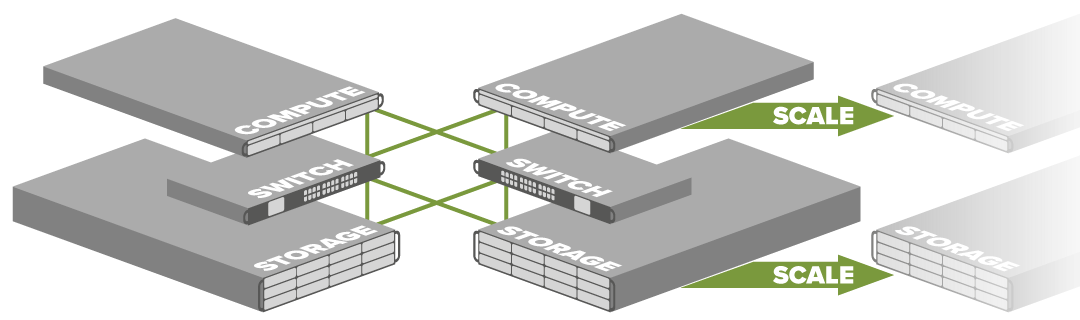
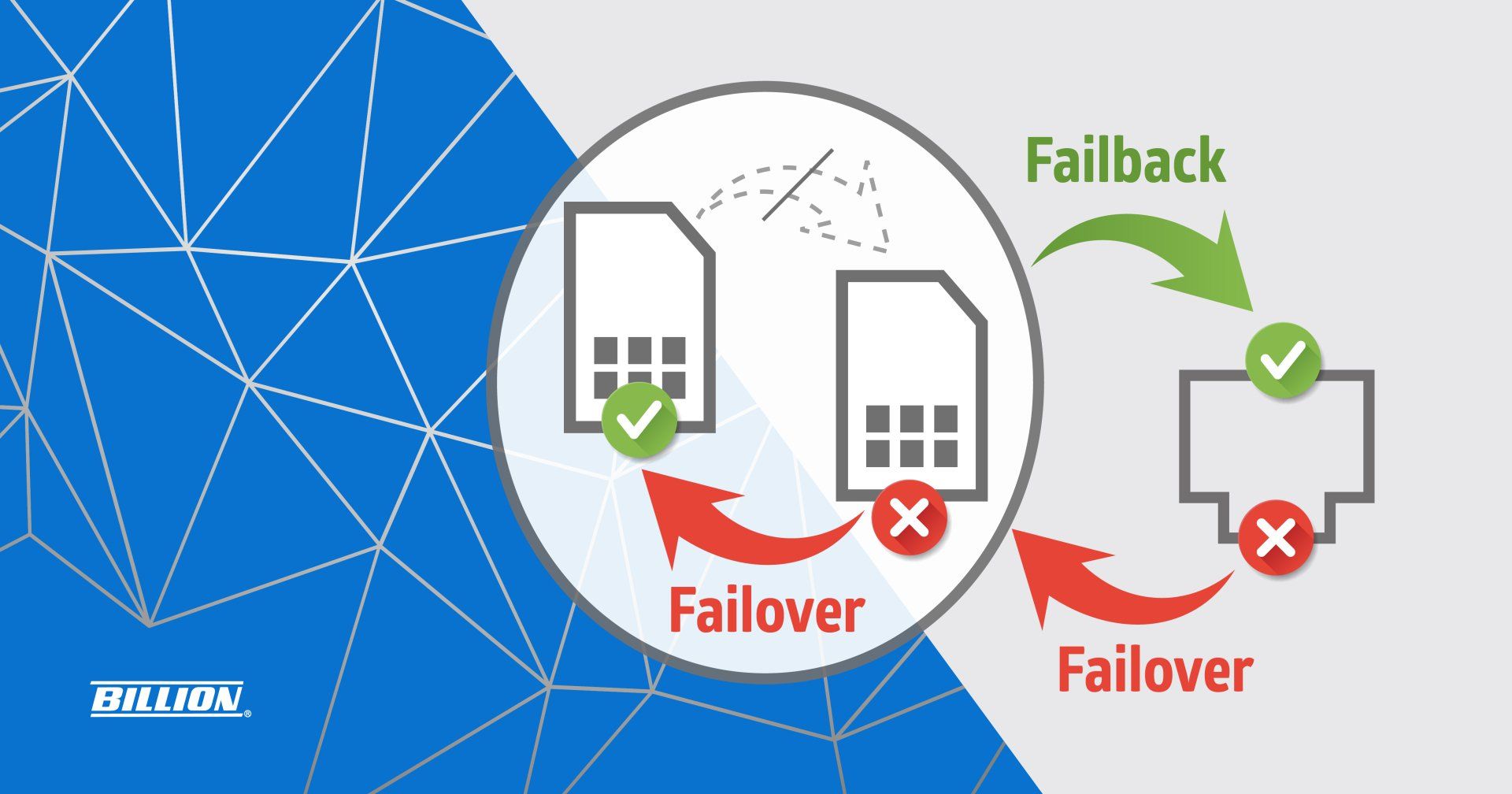
Achieving high availability requires careful architectural design beyond just backup. We commonly implement two primary operational models: active-passive and active-active. In an active-passive setup, one system instance handles live traffic while an identical secondary instance stands by. If the primary fails, the secondary takes over. This model is simpler to implement but can have a brief transition period.
Active-active setups distribute live traffic across multiple identical instances simultaneously. Should one instance fail, the remaining instances automatically absorb the load. This offers higher availability and often better performance but adds complexity to data synchronization and load balancing. Geographically dispersed data centers are crucial for protecting against regional outages. This often means deploying instances across multiple availability zones or regions, ensuring robust data replication between them. Data consistency across these distributed systems is a constant challenge that demands robust middleware and careful application design.
Implementing Redundancy and Recovery for Business Product Failover Systems
Successful deployment of business product failover systems hinges on thorough planning and execution. It’s not enough to build redundant infrastructure; we must also define and practice the recovery processes. This involves automating failover mechanisms wherever possible. Manual intervention during a crisis introduces human error and increases recovery time. Scripts and orchestration tools are essential for graceful transitions.
Regular testing is non-negotiable. We conduct failover drills, simulating various failure scenarios at least quarterly, if not more frequently. These drills often reveal hidden dependencies, configuration errors, or gaps in documentation. Each test is a learning opportunity. Comprehensive playbooks must be maintained, detailing every step of a failover, including communication protocols and team responsibilities. For businesses operating within the US, specific compliance regulations (like HIPAA or PCI DSS) often mandate robust disaster recovery plans and auditable testing records. Training teams on these procedures ensures everyone knows their role when an actual incident occurs, reducing panic and accelerating recovery.
Post-Deployment Monitoring and Iteration of Business Product Failover Systems
Deployment is not the end; it is merely the beginning of the journey for business product failover systems. Continuous monitoring is vital to ensure the systems remain operational and effective. We use a suite of monitoring tools to track the health of all components: primary systems, redundant systems, network links, and data replication status. Alerts must be configured to notify teams immediately of any degradation or failure. This proactive approach allows us to address issues before they impact customers.
Performance tuning is also an ongoing task. As traffic patterns change or product features evolve, failover configurations may need adjustments to maintain optimal performance during a failover event. Regularly reviewing incident reports helps identify areas for improvement. Every outage, even minor ones, provides data to strengthen resilience. We treat failover systems as living components of our infrastructure, subject to continuous iteration and improvement based on real-world operational insights and evolving threat landscapes. Staying current with technology and architectural best practices is part of this iterative process.